Pet Sitting in Portugal: Regulations and Safety Checklist
Portugal has animal welfare, identification, and accommodation rules that can matter when pet sitting becomes organized daycare, boarding, or paid accommodation. Owners should confirm the setup, safety process, vaccine checks, emergency plan, and whether the provider has checked DGAV or municipal requirements.

Portugal pet sitting can mean different things: a neighbour visiting a cat, a dog walker collecting one dog, a sitter staying in the owner's home, or a provider hosting dogs for daycare and overnight boarding. The safety and regulatory questions are not the same for every setup.
This guide is a practical starting point, not legal advice. Rules can change, and the right answer can depend on the exact service, location, facilities, number of animals, and whether the activity is commercial. Last checked against public DGAV and Diario da Republica information on 24 June 2026.
Quick answer
If a provider hosts animals in their own premises for daycare, ATL, boarding, or other accommodation, ask whether they have checked DGAV communication requirements, veterinary-responsible declarations, local municipal rules, insurance, vaccine checks, SIAC/microchip details, and emergency procedures. For simple home visits or walks, focus on identification, consent, keys, safety, medication, and written instructions.
Key takeaways
- Do not assume every pet sitting arrangement has the same regulatory treatment.
- DGAV says animal accommodation, including creches and ATL-style care, is subject to prior communication procedures.
- Dogs, cats, and ferrets in Portugal generally need proper identification and SIAC registration where applicable.
- Owners should confirm vaccines, emergency contacts, vet details, insurance, medication instructions, and supervision before booking.
Start by defining the care setup
The first safety question is simple: where will the animal actually be cared for? A sitter visiting your home is different from a sitter hosting dogs in their own home. Dog walking is different from daycare. Overnight boarding is different from a one-hour visit.
Portugal's public DGAV guidance focuses heavily on animal accommodation, including centres, boarding, daycare, and ATL-style services. If a provider hosts dogs or cats as a regular service, it is sensible to ask whether they have checked the relevant DGAV and municipal requirements for that activity.
- Home visits: confirm keys, access, visit length, food, litter, medication, and emergency process.
- Dog walks: confirm lead handling, route choice, heat policy, reactive-dog handling, and collection rules.
- Daycare or boarding: confirm group size, sleep setup, separation, supervision, vaccine checks, and DGAV/local requirements.
- Long stays: confirm written instructions, backup contact, vet permission, updates, and what happens if the animal does not settle.
What DGAV guidance means for accommodation
DGAV's public accommodation pages refer to rules for reproduction, breeding, maintenance, sale, collection centres, and accommodation centres for companion animals. DGAV also states that collection centres and accommodation with or without profit, including creches and ATL's, are subject to a prior communication regime.
That does not automatically answer every small pet sitting scenario. It does mean that owners should treat hosted daycare, boarding, and kennel-style care as activities where regulatory checks matter. A serious provider should be able to explain which category they fall into, what they have checked, and which official source or local authority they rely on.
Official source to check
DGAV accommodation requirements: https://www.dgav.pt/animais/conteudo/animais-de-companhia/animais-de-companhia-bem-estar/requisitos-alojamentos/
Procedure page
DGAV procedure for prior communication and administrative permission: https://www.dgav.pt/animais/conteudo/animais-de-companhia/animais-de-companhia-bem-estar/requisitos-alojamentos/procedimento-para-comunicacao-previa-e-permissao-administrativa/
Identification, SIAC, and travel paperwork
For dogs, cats, and ferrets, Portugal uses SIAC for companion animal identification. Public legislation states that identification is mandatory for these species under the relevant rules, with registration obligations depending on birth, presence in Portugal, and other circumstances.
For owners, this is a practical safety point. Before care, a sitter should know the animal's microchip or identification details where relevant, vet contact, vaccination status, and the name of the person who can authorize decisions in an emergency.
- Ask whether your dog's microchip and SIAC or travel records are current.
- Keep rabies and core vaccine information accessible.
- For visiting animals, confirm official travel requirements before arriving in Portugal.
- Give the sitter vet details, insurance details if available, and written consent for emergency veterinary care.
Safety questions every owner should ask
Good pet sitting is not only about being kind to animals. It is a controlled-care arrangement with predictable decisions. Ask concrete questions before booking, and get the important answers in writing.
The right sitter should be comfortable discussing limits: number of animals, unsupervised time, separation at meals, heat policies, escape prevention, medication, transport, emergency clinics, and what happens if the animal becomes stressed or unwell.
- How many animals can be present at one time?
- Will my dog ever be off lead, transported, or left with another person?
- Are meals, chews, toys, and rest separated when needed?
- What vaccine or health information do you require?
- Which vet or emergency clinic would you contact first?
- Do you have public liability or business insurance for the service offered?
Red flags before booking
Be careful if a sitter avoids basic questions, accepts every dog immediately, cannot describe the care environment, mixes unfamiliar dogs without assessment, or treats emergency planning as unnecessary.
For hosted care, another red flag is a provider who cannot explain whether the setup is a casual arrangement, home boarding, daycare, ATL, or another type of animal accommodation. You do not need a legal lecture before booking, but you do need a clear answer.
- No intake form or written care notes.
- No vaccine, identification, or vet-detail checks.
- No group-size limit.
- No plan for heat, escape risk, illness, bites, or conflict.
- No clarity about where the animal sleeps, rests, eats, and walks.
How Salty Paws handles safety
Salty Paws is built around small-group, in-home care in Ericeira and Mafra. New dogs start with a temperament check and 24-hour assessment before confirmed daycare, boarding, or longer stays. Groups are kept small so supervision, rest, and fit are easier to manage.
Experienced local pet sitters who already work with clear limits, written care notes, references, and safe owner communication can also join the Salty Paws pet sitter network for future referral consideration.
Before care, owners should share feeding notes, medication, triggers, walking preferences, vet details, emergency contacts, and vaccine information. For current availability or questions about the care setup, call or WhatsApp +351910544380.
Services mentioned
Care options that match this guide
dog boarding Ericeira
Overnight Dog Boarding in Ericeira
A home-style overnight stay for dogs who need comfort, supervision, walks, and routine without a kennel environment.
View service
long-term pet sitting Ericeira
Long-Term Pet Sitting in Ericeira
Extended in-home dog care for owners who need more than a single daycare day or overnight stay.
View service
Frequently asked questions
Do pet sitters in Portugal need a license?
It depends on the exact activity. DGAV public guidance says animal accommodation with or without profit, including creches and ATL-style care, is subject to prior communication procedures. Simple home visits or dog walks may raise different questions, so providers should check DGAV, local municipality, tax, and insurance requirements for their setup.
What should I ask before using dog boarding in Portugal?
Ask about DGAV/local checks, group size, sleeping setup, meal separation, vaccine requirements, emergency vet process, insurance, updates, and whether your dog needs an assessment before the stay.
Does my dog need SIAC registration?
Dogs, cats, and ferrets are subject to Portugal's companion animal identification rules. Requirements can depend on whether the animal was born in Portugal, how long it remains in Portugal, and travel status. Check SIAC, DGAV, or your veterinarian for your case.
Is home pet sitting safer than kennels?
It can be safer for dogs who need calm, routine-led care, but only when the sitter has a suitable environment, clear limits, vaccine checks, emergency planning, and proper supervision.
Is this legal advice?
No. This guide is general information for owners and sitters. For a specific business setup, confirm with DGAV, the local municipality, a veterinarian, an accountant, or a legal professional.
More dog care guides
Suggested articles

dog sitter Ericeira
How to Choose a Dog Sitter in Ericeira
A practical checklist for choosing a dog sitter in Ericeira, including temperament checks, small groups, updates, prices, and questions to ask before booking.

home dog boarding vs kennel Ericeira
Dog Boarding in Ericeira: Home Care vs Kennels
Compare home dog boarding and kennels in Ericeira, then use the overnight dog boarding service page when you are ready to request care.
dog-friendly Ericeira
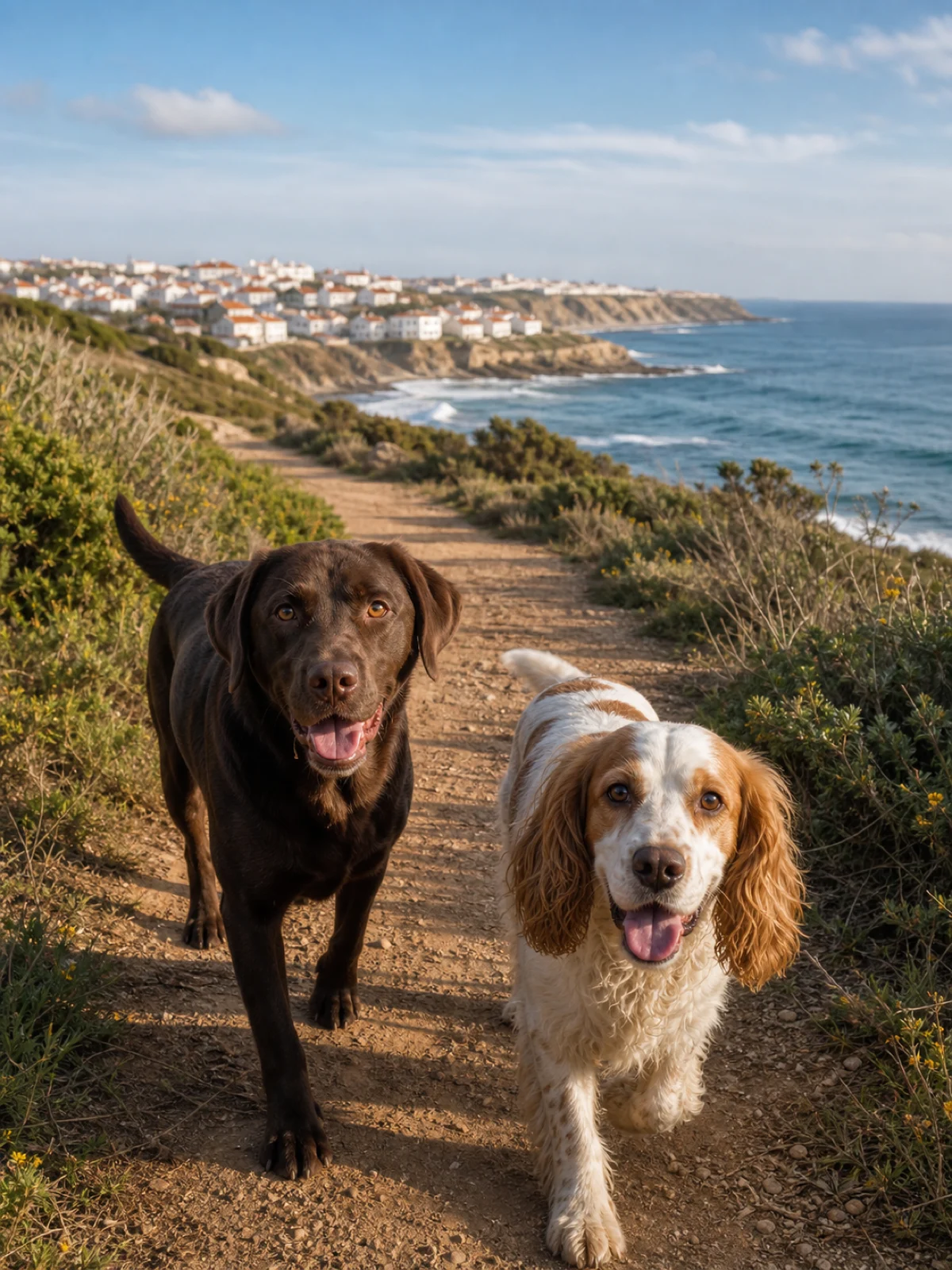
Dog-Friendly Ericeira: A Practical Guide for Owners
A practical dog-friendly Ericeira guide covering walks, routines, summer planning, travel documents, pet sitting, and when to book care.
pet-friendly places Ericeira
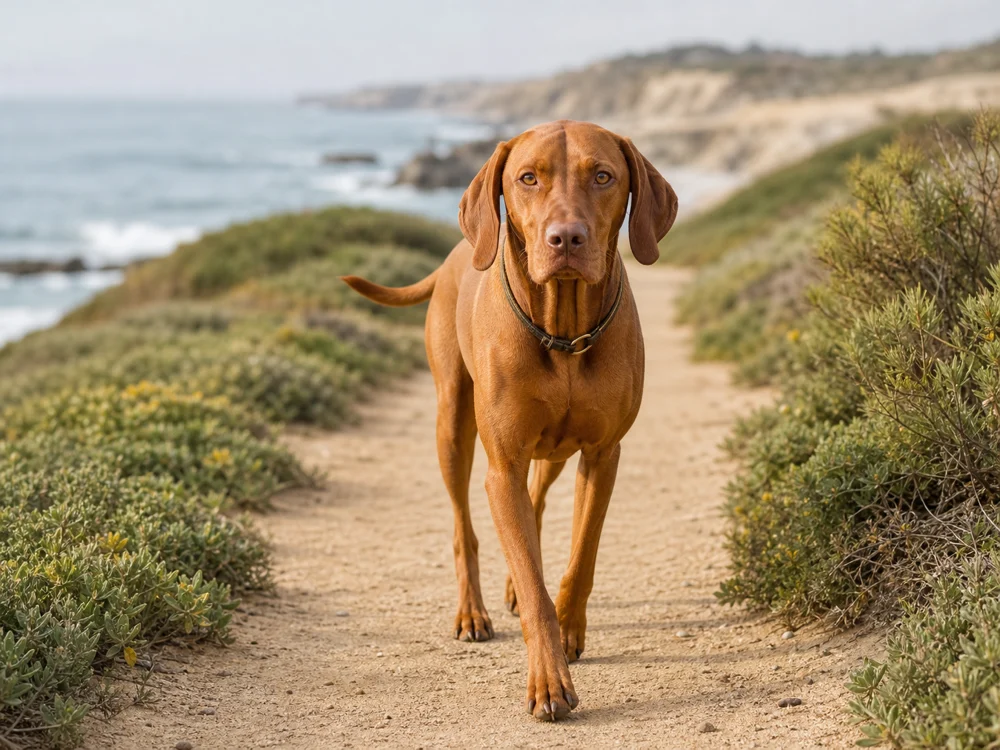
Best Pet-Friendly Places in Ericeira 2026
A simple 2026 guide to central pet-friendly places in Ericeira for coffee, brunch, bowls, and casual meals, with addresses, contact details, and dog-access reminders.

best organic foods for dogs
Best Organic Foods for Dogs: A Practical Buying Guide
A practical guide to choosing organic dog food, including complete and balanced labels, life stage, ingredients, raw food risks, treats, and vet checks.

organic vs supermarket vs vet dog food
Organic vs Supermarket vs Vet Dog Food: Which Is Best?
Compare organic dog food, supermarket dog food, and veterinary diets by nutrition, cost, label quality, medical need, and when to ask your vet.